Waymo's empty driver seat turns autonomy into a cost-per-ride test
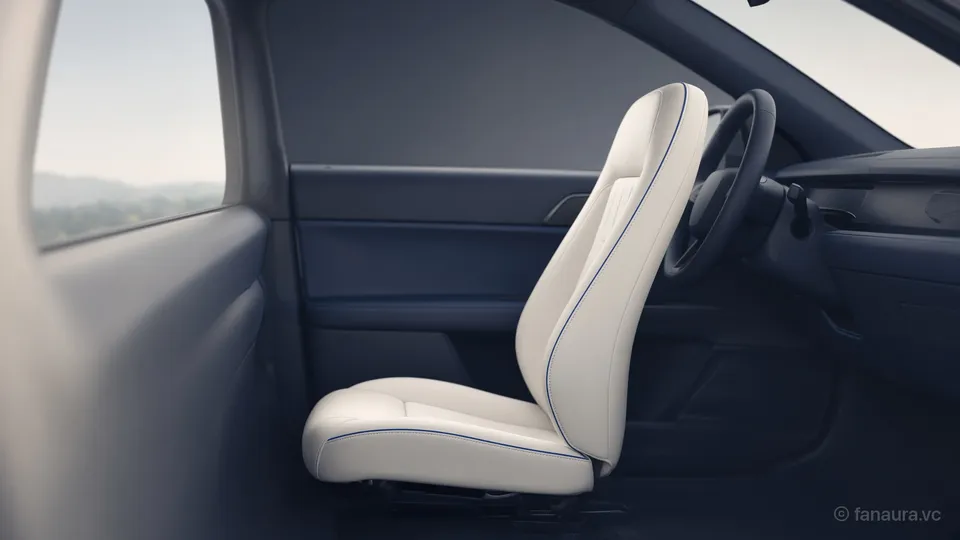
Waymo opened fully driverless rides to the public in Phoenix. For autonomy capital, the question moves from whether it works to what each ride costs.
Only 5-10% of Waymo's rides so far this year ran with nobody in the driver's seat, and all of them carried early riders under nondisclosure agreements. On 8 October the self-driving unit of Alphabet opened its fully driverless ride-hailing service in metro Phoenix, starting with members of its Waymo One program and adding new riders through its app over the following weeks, and in the near term every ride will have no one at the wheel.
Taking the employee out of the car is the step that changes the economics of autonomous driving. A ride with a safety driver costs as much as a conventional one, while a ride without one does not. With that step applied machine learning in the physical world moves from research budgets to operating budgets, and the question for capital moves with it, from whether the technology works to what each ride costs.
The figures that now decide value are mundane ones: vehicle cost, maintenance, remote support and how many hours each car is in use. Waymo's service covers about 50 square miles, an area larger than San Francisco, and later this year it plans to bring trained operators back into some cars, behind new in-vehicle barriers, to add capacity and serve a larger area. That trade of labor for coverage is a decision an operating business makes and a demo never has to. Autonomy remains a business for a handful of players with billions to spend. Waymo completed its first externally led funding round this year, $3.2 billion in total, and the next rounds across the field will be priced on cost per mile and on how fast the service area grows.
Few startups can build a full driverless stack, yet a commercial service creates demand around one. Simulation and testing, labeling and validation of sensor data, fleet operations, tools for remote assistance, insurance and safety assessment all become budget lines, and each new city adds permits, mapping and local operations work that a specialist can sell to several fleets. Waymo's shape of launch, full autonomy in a limited area rather than partial assistance everywhere, also travels to AI-first products in other industries: earn trust in a narrow domain, then expand. Fanaura looks for that discipline in applied AI founders.
Phoenix alone proves little if it stays a members' club. How fast Waymo widens access beyond existing members, and whether it publishes safety data for its driverless miles, will show whether the launch is a service or a showcase. Rivals winning permits for driverless testing or service in other states would be the clearest sign that the field is moving together. The decisive figures are economic, though: what a driverless ride costs against conventional ride-hailing, and how many cars one remote operator can support.
Autonomy is turning from a research bet into an operating business that will be measured ride by ride, and our notes on AI markets and the companies that move them will measure it that way too. The empty seat settles whether driverless cars work and opens the harder question of whether they pay.
Building an AI-native company? Apply in five minutes. →
More from Fanaura
Building simulation, validation or fleet tools for autonomous systems? Send us the project.
Fanaura invests its own capital and the capital of its limited partners (LPs), usually through a separate SPV for each deal. If we see a fit, we get in touch.
Get the news by email
One short note each weekday. No marketing, and you can unsubscribe at any time.