Amazon Go turns checkout from a wage bill into a software bill
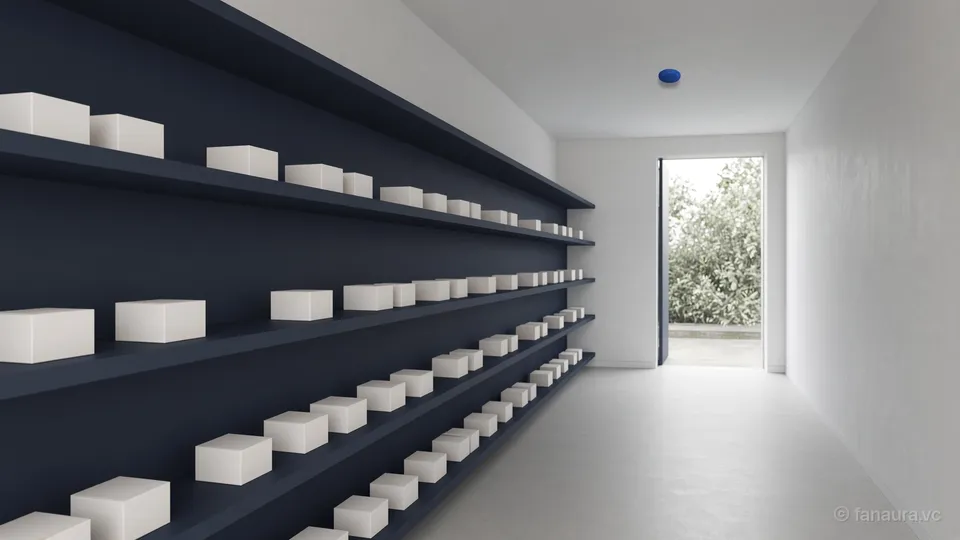
Amazon's cashierless store opened to the public in Seattle. The open question is cost per store, and retailers wary of Amazon will need another supplier.
Amazon has opened a shop with no checkout to the public. After a trial of nearly 14 months open only to its own staff, the 1,800-square-foot Amazon Go store on the ground floor of the company's Seattle headquarters let in anyone with the app on 22 January. Cameras and sensors in the ceiling record what each shopper takes from the shelves, and the bill reaches the shopper's Amazon account after they walk out.
The opening moves cashierless retail from a research claim to a cost question. What nobody outside Amazon knows is what the cameras, sensors and computing cost per store, and that number decides who else can afford the system. Once it is known, checkout stops being only a wage bill and becomes a line in a technology budget, and the retailers that cannot build that line themselves will have to buy it from someone.
The prize behind that budget is large. Official data count 3.54 million cashiers in the United States in May 2016, the second most common job in the country, at a mean wage of $21,680 a year. That is roughly $77 billion of annual pay tied to scanning and bagging, before benefits and the floor space of the lanes. A small share of it moving to software would fund a sizable category of machine learning companies.
Amazon also has every reason to push. Its physical stores segment, which now holds the Whole Foods chain bought for $13.7 billion in August, brought in $4.52 billion of sales in the fourth quarter, the first full quarter under Amazon's ownership. In its results the company described Go as built on the same technologies as self-driving cars: computer vision, machine learning and sensor fusion. Amazon has said nothing about selling the system to anyone else.
That silence is the opening for founders. Every large retailer that watched the Seattle launch needs a checkout-free plan that does not run through its most dangerous competitor. The image models are already becoming a cloud service anyone can rent, so independent suppliers will win those contracts on installation cost per store, accuracy in a crowded aisle and a payment flow that needs no Amazon account. Fanaura backs machine learning companies with exactly this shape: a capability a platform has proved in public, sold to the customers who will never buy it from that platform.
The case against is that Seattle proves little. The store is small, sells snacks and basic groceries, still employs people to stock shelves, check IDs and cook, and its public opening slipped from an early-2017 target after the system struggled in a crowded store. A ceiling full of hardware tuned by a team of engineers can stay a showroom. A second Go location this year, and the first large grocer to sign a checkout-free pilot with an independent supplier, would answer that.
Checkout has always been a labor cost. From this month it is also a software cost, and the machine learning companies that collect it are where the money in retail technology will move.
Building an AI-native company? Apply in five minutes. →
More from Fanaura
Building computer vision that retailers can deploy without relying on a rival platform? Send us the project.
Fanaura invests its own capital and the capital of its limited partners (LPs), usually through a separate SPV for each deal. If we see a fit, we get in touch.
Get the news by email
One short note each weekday. No marketing, and you can unsubscribe at any time.