Mobileye's price shows deployed fleets, not algorithms, set AI exit values
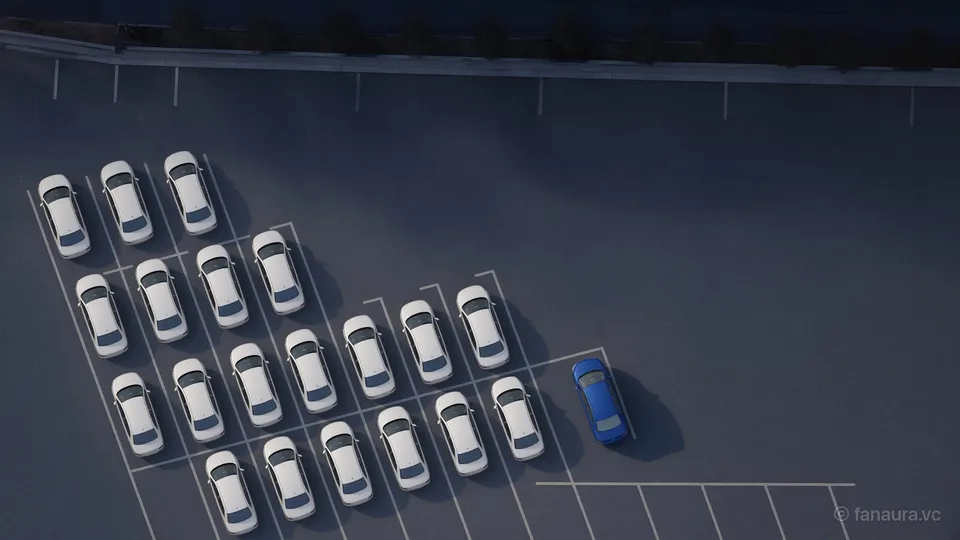
Intel pays about 41 times revenue for Mobileye. The premium buys vision chips in nearly 16 million cars and the data and contracts that come with them.
Intel will pay $63.54 a share in cash for Mobileye, an equity value of about $15.3 billion and a 34% premium to the Israeli company's last closing price. The agreement, announced on 13 March, puts Mobileye's enterprise value at $14.7 billion, about 41 times its 2016 revenue of $358 million.
The multiple prices a fleet more than a technology. Mobileye's vision chips run in nearly 16 million vehicles from 21 automakers, and each one stands for a supplier contract and a camera that watches the road. Intel is buying that installed base and the data it can gather, because whoever sits in the car today writes the specification for the automated systems that follow. For AI companies selling into industries with long design cycles, exit value comes from being deployed, not from topping a benchmark.
The operating numbers justify a high multiple, though not this one on their own. Mobileye earned a 76% gross margin and a 34% operating margin last year with about 660 employees, so Intel is paying more than $20 million per person. Its next chips, for partly and highly automated driving, enter production in 2018 and 2020, and it plans to start building high-definition maps from cars already on the road in 2018. Intel puts the market for vehicle systems, data and services at up to $70 billion by 2030.
The structure tells founders where the scarce asset sits. Intel pays from its balance sheet, expects the deal to add to its earnings at once, and will place its own automated driving group under Mobileye's co-founder Amnon Shashua in a combined unit headquartered in Israel. The buyer is handing the acquired team control of its strategy in cars. Computing needs rise steeply from driver assistance to highly automated driving, and Intel wants its processors in that chain; the team that already holds the automakers' trust is the shortest route. With the leading driverless project now designing its own sensors in-house, a supplier without a fleet in production has little left to sell.
Founders building machine learning into physical industries should count deployments, not demonstrations. A perception system in production cars, a model inside a hospital's imaging workflow or a sensor on a factory line becomes a position a large buyer cannot rebuild in time, and that position commands a strategic price. Fanaura looks for AI companies on that path, where each installation adds data and switching costs at once, which is the core of our investment mandate.
Paying 41 times revenue assumes automated driving arrives on schedule, and forecasts for it have slipped before. Mobileye still earns its revenue from driver assistance. The production timetable will settle the argument: if the 2018 chip programs reach cars as planned and automakers buy the mapping data, Intel paid for a fleet already in motion. If those dates move, it bought the most expensive camera supplier in the industry.
In machine learning hardware, the installed fleet is the moat, and buyers now pay for it years in advance.
Building an AI-native company? Apply in five minutes. →
More from Fanaura
Building machine learning that ships inside vehicles, clinics or factories? Send us the project.
Fanaura invests its own capital and the capital of its limited partners (LPs), usually through a separate SPV for each deal. If we see a fit, we get in touch.
Get the news by email
One short note each weekday. No marketing, and you can unsubscribe at any time.