Google's neural DOOM shows games can be generated, not coded
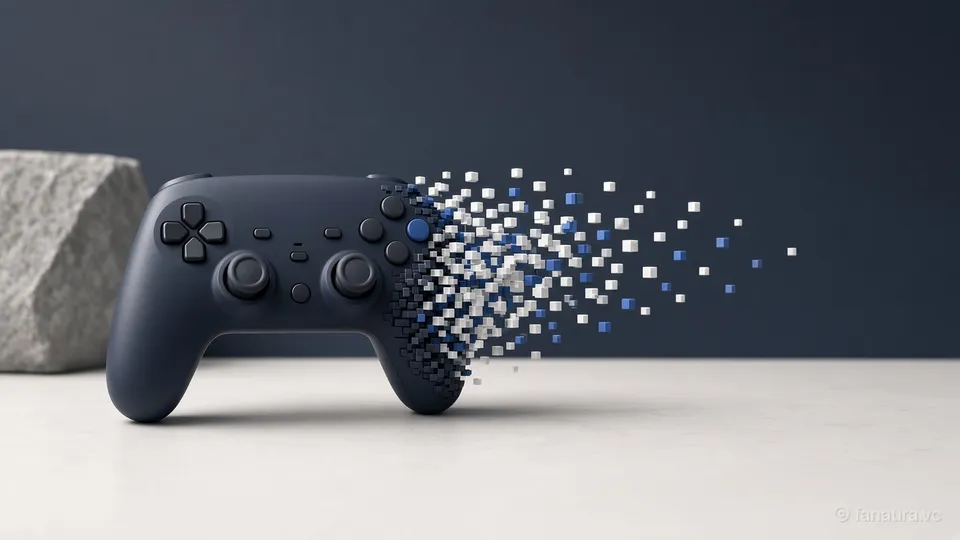
A diffusion model now runs DOOM in real time with no engine underneath. Value in games starts to shift toward gameplay data and the compute to learn from it.
DOOM now runs at more than 20 frames per second on a single TPU with no conventional engine underneath. GameNGen, published on 27 August by researchers from Google Research, Google DeepMind and Tel Aviv University, is presented as the first game engine powered entirely by a neural model.
Value in games starts to move from code to data. Until now AI in games has meant tools that speed up production of art, voice, animation and code. GameNGen points to a different stack, in which the model itself is the runtime and the game is learned from play rather than programmed. That shifts value away from engines, whose owners have repriced studios before, and from asset pipelines, toward whoever holds large libraries of gameplay data and the compute to train on them.
The recipe shows where the leverage sits. An agent first played the game to produce 900 million frames of training data, and a diffusion model built on the open Stable Diffusion image model then learned to predict each next frame from earlier frames and the player's actions. Shown short clips side by side, human raters were only slightly better than chance at telling the real game from the simulation. The scarce input was recorded play, so studios that own interaction data, player inputs paired with what happened on screen, already hold the raw material for this kind of training.
The cost structure flips as well. A coded game runs cheaply on the player's device, while a neural game needs accelerator time for every frame, so for now the economics favour cloud delivery and short, high-value experiences. Inference cost per player hour is the number that decides whether neural games can run at consumer prices.
Builders on both sides of the market have work to do now. Studios making games should capture interaction data with clear rights from day one. Teams making tools should target the gaps between research demos and shipping titles: memory, consistency, latency and serving cost. That is where levels, characters and worlds generated in real time in response to the player are heading.
None of this is a product yet. The model remembers only a little over three seconds of history and reproduces an existing game rather than inventing a new one. The open test is whether the method extends to games with richer worlds and longer memory, and the market signal is how engine makers and large publishers respond, through research of their own or acquisitions of teams that build world models.
Games are becoming the proving ground for models that simulate interactive worlds, with uses that reach into robotics and training simulators. Teams that combine game design with model training and own the data to do both sit where Fanaura's games and AI-native mandates meet. In that stack the engine is trained, not written.
Building an AI-native company? Apply in five minutes. →
More from Fanaura
Building games or tools that learn from gameplay data in real time? Send us the project.
Fanaura invests its own capital and the capital of its limited partners (LPs), usually through a separate SPV for each deal. If we see a fit, we get in touch.
Get the news by email
One short note each weekday. No marketing, and you can unsubscribe at any time.