Stargate moves AI compute from cloud budgets to project finance
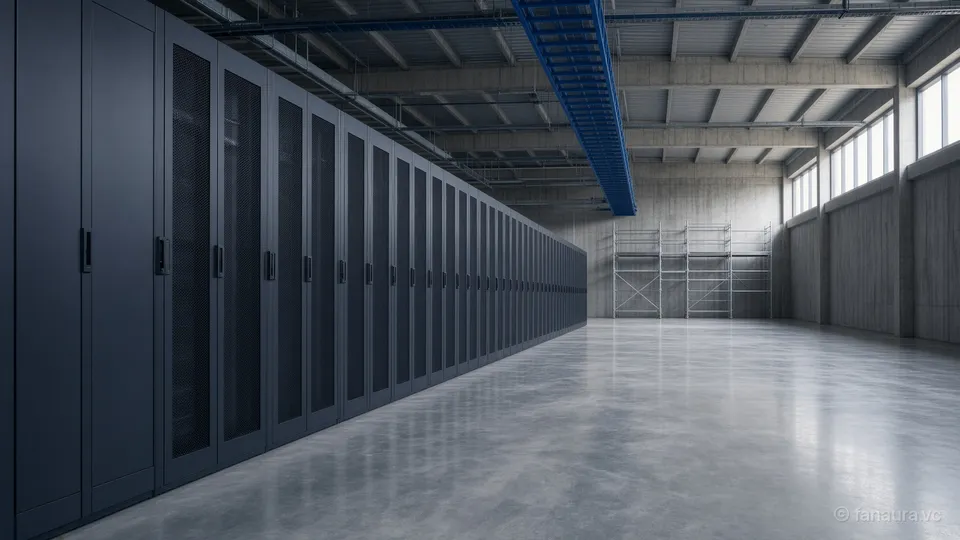
OpenAI and its partners plan $500 billion of US data centers over four years. Compute becomes a financed asset, and margin shifts to builders and power.
Stargate, a new company formed by OpenAI, Oracle and a group of financial investors, intends to invest $500 billion over the next four years in AI infrastructure for OpenAI in the United States, starting with $100 billion right away. The partners announced it at the White House on 21 January, a day after the presidential inauguration, with the first data centers already under construction in Texas.
A model lab now sits at the center of its own infrastructure program instead of renting capacity from one cloud, and compute becomes a financed asset. The structure, a step beyond the GPU-backed debt that came first, pairs equity from a few partners with debt to follow. The lead financial partner carries financial responsibility and OpenAI runs operations, an arrangement closer to power plants and pipelines than to a software budget.
Who captures the margin changes with it. Part of the value that used to accrue to the cloud provider moves to the owners of the buildings, the chip suppliers and the energy providers behind them, and Arm, Microsoft, Nvidia, Oracle and OpenAI are the named technology partners. Microsoft revised its OpenAI agreement the same day. It is no longer the exclusive provider of new capacity and holds a right of first refusal instead, while the OpenAI API stays exclusive to Azure through 2030.
When the largest buyer builds its own supply, capacity elsewhere eases and inference gets cheaper for everyone else, which helps application companies. The bigger opening sits in the physical layer around these campuses: power procurement, cooling, grid interconnection, construction scheduling, site selection and the software that keeps GPU fleets fully used. Each is now a bottleneck on projects worth tens of billions, and few incumbents work at the speed AI buyers demand. Sales cycles into data center builds are long, but a single contract can carry a company for years.
Concentration is the weak point of the plan. The partners have not published how much cash each one commits, and the full program depends on OpenAI's revenue growing fast enough to pay for the capacity it orders. Closing the equity and debt for the first $100 billion, and the terms attached, is the test that matters most. Power comes next, in how fast the Texas sites secure grid connections and on-site generation and where the next sites go. How often OpenAI takes capacity outside Azure, now that Microsoft holds only a right of first refusal, will measure the break with the cloud model, and other labs setting up infrastructure vehicles of their own would make it the norm.
AI infrastructure has become an industrial build-out with project-finance economics. Fanaura already invests in real estate and technology alongside AI, and in this build-out its preference runs to companies that make the capital more productive, not to those that depend on a single buyer's spending plan.
Building an AI-native company? Apply in five minutes. →
More from Fanaura
Building software for power, cooling or construction of AI data centers? Send us the project.
Fanaura invests its own capital and the capital of its limited partners (LPs), usually through a separate SPV for each deal. If we see a fit, we get in touch.
Get the news by email
One short note each weekday. No marketing, and you can unsubscribe at any time.