License-and-hire deals now set the exit for AI chip startups
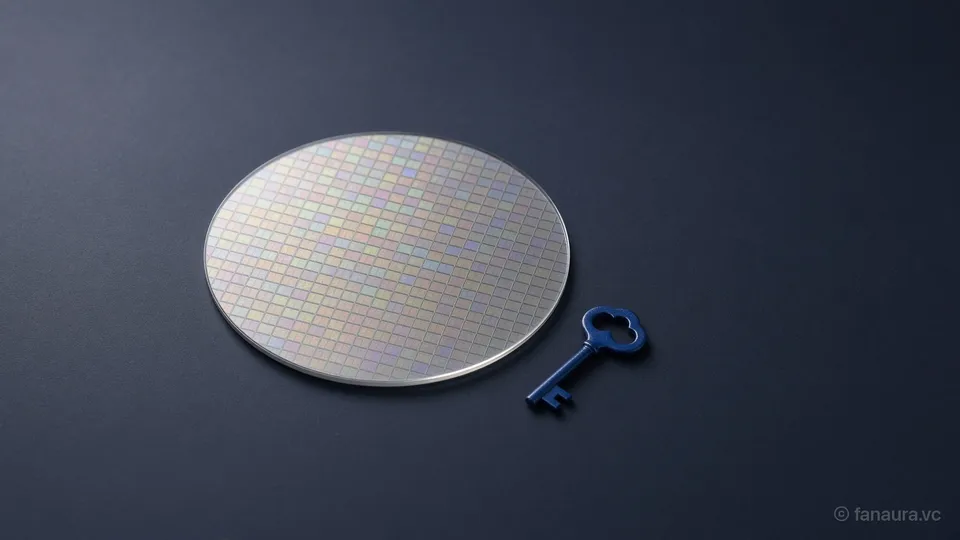
Nvidia licensed Groq's inference technology and hired its founder, leaving the company to run its cloud. Chip startups now exit through licenses, not mergers.
Nvidia has licensed Groq's inference technology and hired the people who built it, without buying the company. Under the non-exclusive deal announced on 24 December, founder Jonathan Ross, president Sunny Madra and other members of the team move to Nvidia to scale the licensed technology, while Groq stays independent under a new chief executive, Simon Edwards, and keeps running GroqCloud.
This is now the exit for AI chip startups: a license and a hiring package in place of a merger. Groq was one of the few independent chip companies built around inference, the workload that grows with every AI product put into use. Its architecture and its engineers now work for the market leader, and a license draws less antitrust scrutiny than a merger would. The pattern of Microsoft with Inflection and Google with Character.AI and Windsurf has reached hardware.
The money cuts both ways. Neither company disclosed the price, but the surrounding numbers frame it. Three months earlier Groq had raised $750 million at a $6.9 billion valuation to expand inference capacity, and Nvidia ended October with $60.6 billion in cash and marketable securities, the balance sheet that already funds its customers and room for many such deals. Specialized chip companies can now return money to investors without an IPO or a full sale, which supports their valuations. The same structure thins the field of independent suppliers, so the price of fast inference will follow one company's roadmap more closely.
Products that live on low latency, such as voice, real-time agents and interactive media, should expect the fastest inference to arrive through Nvidia's stack and the large clouds rather than through a crowd of small providers, and should keep models and serving portable across hardware. Infrastructure founders get an exit route and a warning in the same deal. A team with rare silicon or compiler talent has strategic value long before it has revenue at scale, yet this kind of exit pays for the people and the license, while the company that remains keeps its customers without its founder. Option plans and investor terms should anticipate that structure from the first round.
Regulators can still raise the price of this route. If competition authorities in the US or the EU open a review of license-and-hire deals in chips, the exit gets costlier for every team that plans on it. GroqCloud is the other test. Its performance now that the founder and core engineers work for Nvidia will show what the remaining company is worth, and the moment Groq's technology shows up in Nvidia products will show what the deal does to the price of low-latency tokens for developers.
Consolidation in the AI chip layer runs toward one buyer with a very large balance sheet, a concentration public markets have already rewarded. Fanaura sees more room for returns in companies that turn cheap, fast inference into products than in companies competing to supply it. License-and-hire will stay the standard exit for teams with rare technical depth: the buyer takes the talent, and the company keeps the customers.
Building an AI-native company? Apply in five minutes. →
More from Fanaura
Building real-time AI products that need fast, portable inference? Send us the project.
Fanaura invests its own capital and the capital of its limited partners (LPs), usually through a separate SPV for each deal. If we see a fit, we get in touch.
Get the news by email
One short note each weekday. No marketing, and you can unsubscribe at any time.