Activision veto shows regulators will police markets still forming
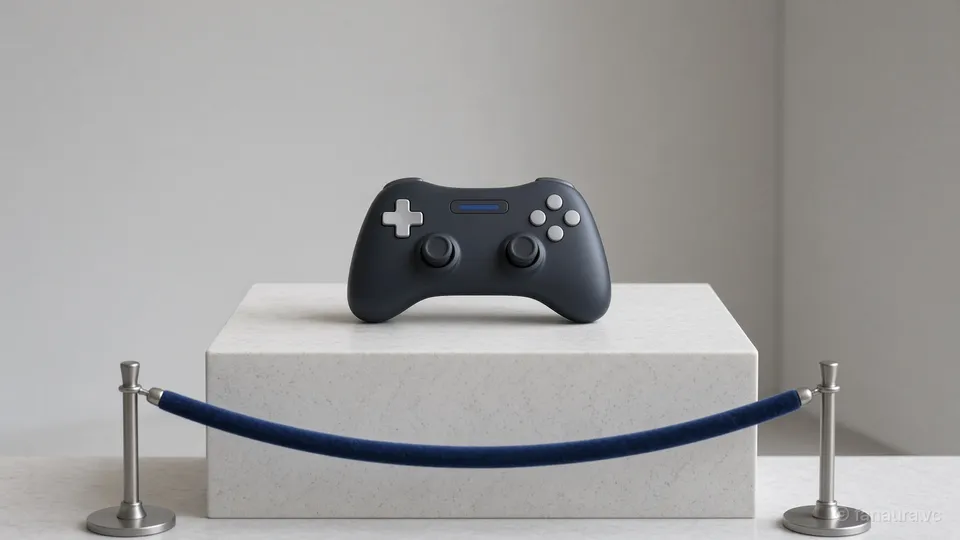
Britain blocked Microsoft's $68.7 billion Activision deal over cloud gaming. Exits to the largest platforms get harder exactly where markets are newest.
Britain has stopped the largest deal in the history of games. On 26 April the UK Competition and Markets Authority blocked Microsoft's $68.7 billion purchase of Activision Blizzard, the maker of Call of Duty, World of Warcraft and Overwatch, agreed in January 2022.
Consoles were not the problem. Cloud gaming was, a market the regulator expects to reach up to £11 billion worldwide by 2026, and in which it finds Microsoft already holds 60 to 70% of global services. The authority acted on a market that is still small because it believes the winner of a new platform is decided early. That test travels well beyond games. It can be applied to any large platform that buys content, technology or teams in a market still taking shape, generative AI included, which makes an exit to the biggest buyer slower and less certain exactly where growth is fastest.
Promises no longer buy approval in such a market. Microsoft offered ten years of commitments on which games it would offer, on which platforms and on what terms. The regulator rejected them, finding that they did not cover every cloud business model, multigame subscriptions included, and would need ongoing supervision. Time carries its own price as well: this deal has spent more than fifteen months in review, a cost that buyer and seller in any large transaction now have to put into the valuation, next to the chance of a veto at the end.
Content owners come out stronger. The ruling confirms libraries of strong games as leverage over whoever controls the next channel of distribution, and the ten-year licences Microsoft signed with cloud services to win approval show that studios can negotiate real terms with platforms, the leverage they need as platforms consolidate. When the largest companies are limited in what they can buy, independent players in a young market get more room. That favours streaming technology, AI-native tools that let studios ship one game across many platforms, and studios that license their content widely instead of tying it to one owner. A founder whose plan depends on a single acquirer carries regulatory risk; the sturdier company can stand alone or attract several buyers.
London may still prove the outlier. Microsoft remains fully committed to the deal and will appeal to the Competition Appeal Tribunal, while the US Federal Trade Commission and the European Commission are running their own reviews. If Brussels accepts the kind of remedies Britain rejected, the British approach looks isolated and exit arithmetic eases. The wider signal is whether competition authorities apply the same reasoning about future markets to large technology companies that invest in AI labs. If they do, this veto stops being a games story.
Fanaura's mandate covers game studios and AI-native game tools, and it looks for teams that build value on their own terms, with ownership of their content and more than one path to an exit. Competition review now reaches markets that barely exist, and there the company that never needed one buyer is the one worth owning.
Building an AI-native company? Apply in five minutes. →
More from Fanaura
Building AI-native tools that help studios ship across platforms and keep their IP? Send us the project.
Fanaura invests its own capital and the capital of its limited partners (LPs), usually through a separate SPV for each deal. If we see a fit, we get in touch.
Get the news by email
One short note each weekday. No marketing, and you can unsubscribe at any time.